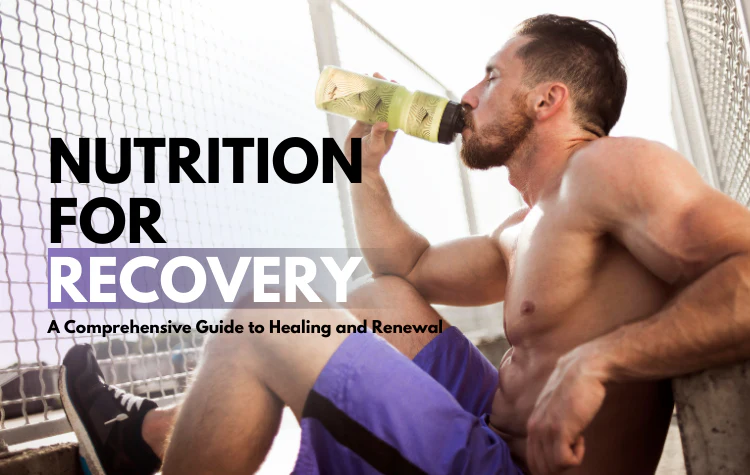
In the fitness world, we often celebrate the grind—the sweat, the reps, and the discipline required to push our limits. However, one critical element is often overlooked: recovery. At Ironverse Training Facility, we understand that rest and recovery are not optional extras; they are essential components of a successful fitness journey.
What is Recovery?
Recovery is the process of restoring the body and mind after physical exertion. It encompasses everything from muscle repair and replenishing energy stores to mental relaxation. Proper recovery allows you to train harder, reduce injury risk, and maintain long-term progress.
The Science of Recovery
When you exercise, especially during intense training sessions, your body undergoes stress:
Muscle Damage:
Exercise creates microscopic tears in muscle fibers. Recovery allows these fibers to repair and grow stronger (a process called hypertrophy).
Energy Depletion:
Physical activity depletes glycogen stores, the body’s primary energy source. Recovery replenishes these stores, ensuring sustained performance.
Nervous System Fatigue:
High-intensity training taxes the central nervous system (CNS). Rest periods help restore its efficiency and prevent burnout.
Why Recovery is Essential
1. Prevents Overtraining
Overtraining occurs when the body doesn’t get enough time to recover between workouts, leading to fatigue, reduced performance, and potential injury. Structured recovery ensures you avoid this pitfall.
2.Enhances Performance
Recovery improves strength, endurance, and flexibility by allowing the body to adapt to training stimuli. Without it, progress stalls.
3. Supports Mental Health
Exercise is a mental challenge as much as a physical one. Recovery helps reduce stress, improve focus, and maintain motivation.
Types of Recovery
1. Active Recovery
Low-intensity activities like walking, yoga, or light cycling promote blood flow, aiding in the removal of waste products like lactic acid. Active recovery is perfect for rest days when you want to stay moving without overexerting yourself.
2. Passive Recovery
Sometimes, complete rest is necessary. Passive recovery involves minimal physical activity, allowing the body to fully recharge.
3. Sleep
Sleep is the ultimate recovery tool. During deep sleep, the body releases growth hormones that facilitate muscle repair and energy restoration. Aim for 7-9 hours of quality sleep each night.
4. Nutritional Recovery
Proper nutrition is crucial for recovery. Post-workout meals should include: Protein: To repair and rebuild muscle tissue. Carbohydrates: To replenish glycogen stores. Hydration: To replace fluids lost through sweat.
5. Therapeutic Recovery
Techniques like stretching, foam rolling, massage, and cryotherapy can alleviate muscle soreness, improve flexibility, and accelerate recovery.
Recovery Myths and Misconceptions
Myth 1: Rest Days Are Lazy Days
Rest days are when your body rebuilds and strengthens itself. Skipping them doesn’t mean faster results; it means burnout and injury risk.
Myth 2: More Workouts Equal Better Results
While consistency is important, more isn’t always better. Quality and balance are key. Overloading your schedule without adequate recovery leads to diminishing returns.
Myth 3: Recovery Is Only for Athletes
Everyone needs recovery, whether you’re training for a marathon or attending your first group fitness class. It’s not about your fitness level; it’s about respecting your body’s needs.
How Ironverse Promotes Recovery
At Ironverse Training Facility, we prioritize recovery as much as we do training. Here’s how we support your rest and rejuvenation:
Recovery-Centered Workouts:
Our trainers incorporate active recovery sessions into your program to balance intensity and rest.
On-Site Resources:
From foam rollers and stretching zones to recovery-focused classes, we provide the tools you need to bounce back stronger.
Educational Workshops:
Learn about the science of recovery and practical techniques to incorporate into your routine.
Community Support:
Share tips, experiences, and encouragement with fellow members who understand the value of recovery.
Practical Tips for Optimal Recovery
1. Listen to Your Body
Pay attention to signs of overtraining, such as persistent soreness, fatigue, or decreased performance. Adjust your routine as needed.
2. Prioritize Sleep
Create a bedtime routine that promotes quality sleep. Limit screen time before bed and keep your sleeping environment cool and dark.
3. Stay Hydrated
Dehydration hinders recovery. Drink water consistently throughout the day, especially after workouts.
4. Plan Rest Days
Schedule at least one full rest day per week. Treat it as a vital part of your fitness program, not an afterthought.
Incorporate Stretching and Mobility Work
In fitness, progress isn’t just made in the gym—it’s made in how you recover outside of it. By giving your body the time and resources it needs to heal and grow, you set the stage for long-term success.
At Ironverse Training Facility, we’re here to guide you every step of the way, ensuring that recovery becomes an integral part of your fitness journey. Remember, the stronger your recovery, the stronger your results.
Ready to redefine your approach to fitness? Visit Ironverse today and experience how balanced training and recovery can transform your health and performance.